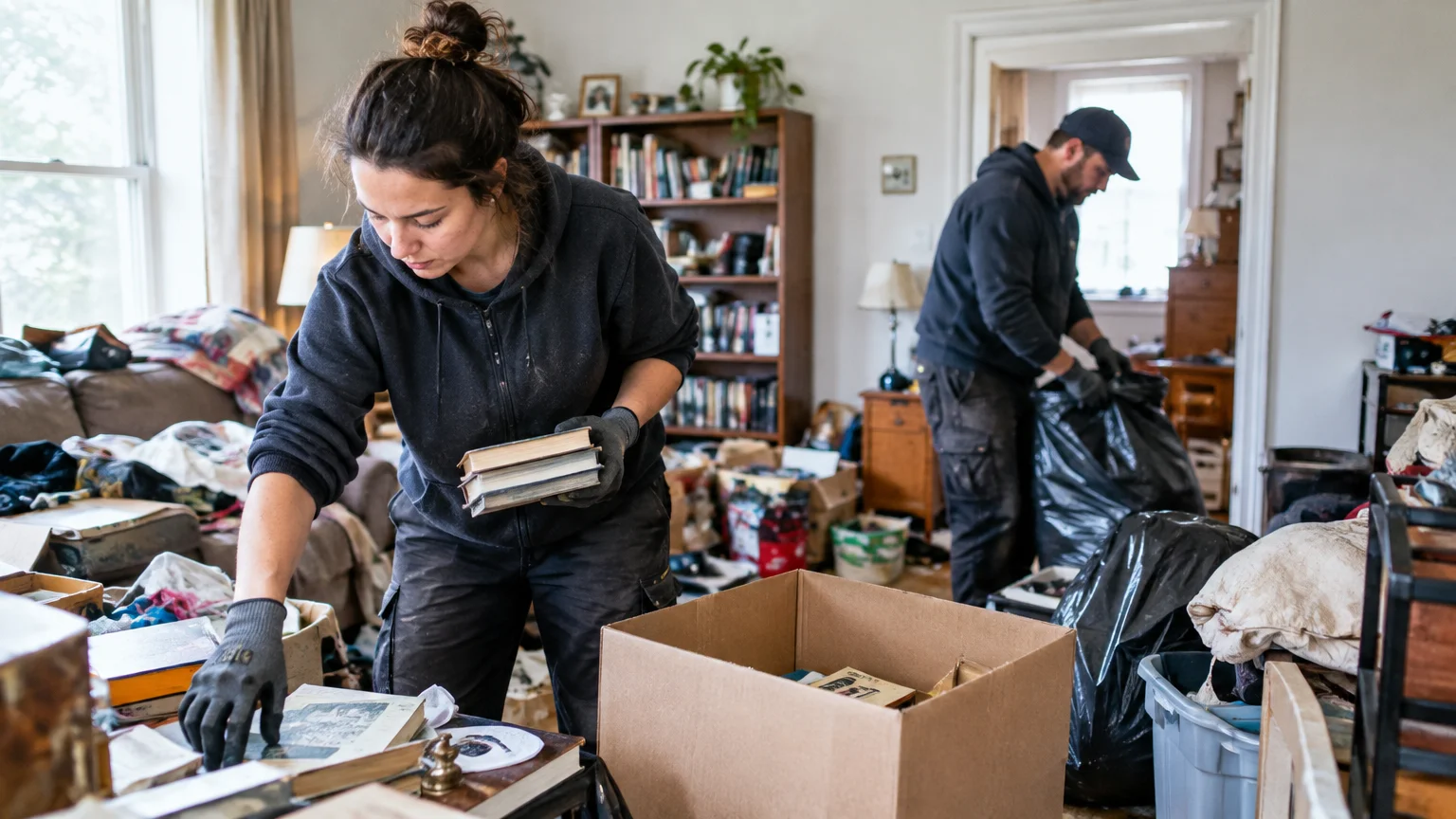
To prepare for a hoarding cleanup, begin with safety, clear goals, and a simple plan. Choose priority rooms, protect important items, arrange access, and share known hazards with the cleanup team. A calm approach helps San Mateo CA Junk Removal support homeowners and families without rushing hard choices.
What should you do before a hoarding cleanup begins?
Before cleanup starts, the family or property owner should agree on the main goal. The goal may be safer walkways, a usable kitchen, a clear bedroom, or a home ready for sale. A small first goal often feels easier than trying to clear the whole home at once.
Hoarding cleanup means carefully removing excess items from a home where clutter affects safe use of the space. It is not just a quick junk removal job. The work may include sorting, hauling, cleaning, and planning for repairs.
How can you set realistic goals for the cleanup?
The person living in the home should help shape the plan when possible. Family members can offer support, but they should avoid threats, blame, or surprise removal. These actions may increase fear and make later progress harder.
A written plan can help everyone stay focused. It can name the first room, the items that must stay, and the safety issues that need attention. The plan should also include breaks. Cleanup can feel tiring and upsetting, even when everyone wants the home to improve.
Which rooms and safety concerns should come first?
Begin with areas that affect daily life or urgent safety. These may include exits, stairs, hallways, bathrooms, kitchens, and sleeping areas. Blocked doors, unstable piles, spoiled food, sharp objects, pests, mold, and water damage need early attention.
Tell the cleanup team about pets, children, medical needs, fragile belongings, and known hazards. The team also needs to know whether the home has working water, electricity, and safe lighting. San Mateo CA Junk Removal can help San Mateo homeowners decide which room should come first and what preparation may make the work safer.
How can you prepare the property and belongings for cleanup?
Preparation should protect people and important belongings. The owner does not need to move every item before the team arrives. Instead, mark essential items, gather key documents, and make a clear path to the main entrance.
How should essential, sentimental, and unwanted items be separated?
Use three simple groups: keep, review, and remove. The keep group may include medicine, identification, legal papers, family records, working devices, and items used each day. The review group can hold items that need more time or a family decision.
The remove group may include broken furniture, spoiled goods, empty containers, and items no one wants. Family members should not discard valuables without permission. Small labels, colored tape, or separate rooms can help prevent mix-ups.
Sentimental items need extra care. Place photos, letters, artwork, and heirlooms in clean boxes away from the work area. Keep important papers with a trusted person instead of leaving them in a pile near discarded items.
How can access, utilities, and parking be arranged?
Make sure the team can reach the home and the rooms that need work. Clear the walkway from the driveway to the entrance when possible. Unlock gates, secure pets, and tell the team about stairs, narrow doors, or damaged floors.
Working utilities can help with sorting and cleanup, but unsafe systems should not be used. Report leaks, power problems, gas odors, broken steps, or signs of structural damage before work begins. A parking spot near the entrance may also reduce lifting distance and help the work move smoothly.
What happens during a professional hoarding cleanup?
A professional cleanup usually starts with a walk-through and a review of the plan. The crew identifies items for removal, items that need protection, and areas that may need extra care. The team then works in sections instead of pulling everything out at once.
How is the cleanup process organized?
A common process includes these steps:
- Review the home and safety plan. The crew checks access, rooms, hazards, and the owner’s priorities.
- Create sorting areas. Keep, review, donation, recycling, and disposal areas help prevent confusion.
- Clear safe paths first. Open exits, hallways, stairs, and routes to important rooms.
- Remove unwanted items. The crew loads household junk, furniture, appliances, and other approved materials.
- Clean cleared areas. Sweeping and basic surface cleaning may reveal damage or needed repairs.
- Review the results. The owner checks the space and identifies any next steps.
Items such as mattresses, freezers, tree branches, yard waste, dirt, sod, and construction debris may have different disposal rules. Ask what the crew can handle before work begins. Local disposal sites may also have separate rules for these materials.
When may specialized removal or sanitation be needed?
Some homes need more than ordinary hauling. Strong odors, pests, mold, animal waste, water damage, needles, or spoiled materials may require special cleaning or another qualified professional. Cleanup crews should not handle dangerous materials outside their training.
A hoarding cleanup may also uncover damaged drywall, flooring, plumbing, wiring, or insulation. Construction Debris Removal can help with approved renovation waste after repairs begin. If the property is tied to an estate, move, or sale, an Estate Cleanout or House Cleanout may help with remaining household items.
How can you make hoarding cleanup less stressful afterward?
Cleanup is only one part of restoring usable space. After removal, walk through each cleared room and note repairs, cleaning needs, and items that still need a home. A simple plan helps the space stay useful without demanding perfection.
How should repairs and organization be planned?
Repair urgent problems first. Fix unsafe steps, broken locks, leaks, exposed wires, and damaged floors before adding storage. Next, clean surfaces and improve lighting. Open shelves, clear bins, and labels can make needed items easier to find.
Avoid filling every open area at once. Keeping some empty space makes future cleaning easier. A weekly check of exits, hallways, food storage, and waste can also catch problems early.
How can safety and support continue after cleanup?
Support should stay respectful and ongoing. A family member, trusted friend, counselor, or care professional may help the resident make choices and keep routines. The goal is a safer, more useful home, not punishment or shame.
Property owners and managers may need a different plan when the home must be rented, sold, or repaired. Foreclosure Cleanout and Estate Cleanout services can help when removal must happen across several rooms. San Mateo CA Junk Removal can explain the next practical step for a property in the main San Mateo area, from Hillsdale and San Mateo Park to Burlingame, Foster City, Belmont, San Carlos, and nearby communities. The discussion can stay focused on safety and dignity.
Frequently Asked Questions
Should the resident be present during a hoarding cleanup?
The resident should be involved when it is safe and practical. Their input can prevent the loss of important or meaningful items. Some people may need breaks or support during sorting. If the home has serious hazards, a qualified professional should help decide who can safely enter and how the work should proceed.
What should be removed first from a crowded home?
Blocked exits, unsafe walkways, spoiled materials, sharp objects, and unstable piles usually deserve early attention. The first goal should be safe movement through key areas. After that, the team can work on rooms such as the kitchen, bathroom, bedroom, or entryway based on the owner’s needs.
Can a junk removal company handle every item in the home?
Not always. Some materials need special handling, including chemicals, medical waste, fuel, asbestos, and certain electronics. Describe unusual items before scheduling service. The crew can explain what it accepts and when another licensed provider is needed.
How can families avoid making cleanup more stressful?
Families can use calm language, avoid blame, and agree on one clear goal at a time. They should protect documents, medicine, money, and sentimental items before removal starts. Regular breaks and respectful choices can help the resident stay involved and feel safe during the process.
Key takeaways
- Start with safety, clear paths, and one realistic cleanup goal.
- Sort items into keep, review, and remove groups.
- Protect documents, medicine, valuables, and sentimental belongings.
- Tell the crew about hazards, pets, utilities, access, and unusual materials.
- Plan repairs, storage, and ongoing support after removal.
Conclusion
A hoarding cleanup is easier when the plan is calm, clear, and respectful. Safety comes first, and the resident’s needs should guide important choices. With careful preparation, a crowded property can become more useful without turning the process into a rushed or painful event.
Contact us to discuss a respectful hoarding cleanup plan for a San Mateo property.