Furniture removal FAQs explain what a company can take, how pickup works, and how old items may be handled. The final cost depends on furniture size, amount, access, labor, and disposal needs. San Mateo homeowners can share job details and confirm the work on a quote before pickup.
Table of Contents
- How much does furniture removal cost?
- What types of furniture can a removal company pick up?
- Can old furniture be donated instead of discarded?
- How quickly can furniture be picked up?
- How should homeowners prepare furniture for removal?
- Can furniture be removed from upstairs rooms or tight spaces?
- What happens to furniture after it is removed?
- Is professional furniture removal safer than moving it yourself?
- How long does furniture removal take?
- How can homeowners choose the right furniture removal company?
- Frequently Asked Questions
How much does furniture removal cost?
Furniture removal costs change with the size, number, weight, and condition of the items. Access also affects the work. A sofa in a clear first-floor room is often easier than a sleeper sofa in a narrow upstairs hall. Disposal, sorting, special handling, and travel needs can also change the final quote.
Ask for a clear quote after describing the furniture and pickup spot. Photos can help the company understand the job before the crew arrives. The final cost should be confirmed on a quote, rather than guessed from a general example. Each company sets its own pricing based on its work and disposal process.
What factors affect the cost of removing furniture?
Several job details can change the amount of work:
- The number and size of the furniture pieces
- The weight and build of each item
- Stairs, narrow doors, elevators, or long paths
- The need to take apart large furniture
- Donation sorting, recycling, or special disposal
- The labor needed to protect walls and floors
One chair usually needs less work than a full room cleanout. A sectional, mattress, dresser, and dining set need more planning. Pieces with glass, metal, electronics, or built-in parts may also need separate handling.
How does furniture removal compare with renting a truck?
Truck rental may work when a homeowner has help, time, and safe lifting skills. The homeowner still must drive, load, secure, unload, and find a proper disposal site. They also carry the risk of harming floors, walls, the truck, or other belongings.
Professional furniture removal can help with heavy, awkward, upstairs, or large jobs. A crew handles the lifting and hauling while the homeowner stays clear of the loading work. San Mateo CA Junk Removal can help San Mateo homeowners think through the furniture amount, access, and time needed.
What types of furniture can a removal company pick up?
Most furniture removal companies take common household items. These may include couches, chairs, tables, dressers, bed frames, mattresses, desks, cabinets, and bookcases. Some companies also take patio furniture, office furniture, and large storage pieces. Tell the company about unusual items before booking.
Accepted items differ by company and local rules. A responsible service will explain what it can take and what needs another disposal method. This matters for items with chemicals, fuel, refrigerant, sharp parts, or very heavy materials.
Common household furniture accepted for removal
Typical household items include:
- Sofas, loveseats, recliners, and sectionals
- Beds, mattresses, box springs, and bed frames
- Dressers, nightstands, desks, and filing cabinets
- Dining tables, chairs, benches, and bar stools
- Bookcases, entertainment centers, and storage cabinets
- Patio chairs, tables, benches, and outdoor storage items
You can also ask about full-service junk removal for several rooms. A garage, attic, basement, and living room may be handled during one planned visit. Share the full item list before arrival so the crew can bring the right tools and truck space.
Items that may require special handling
Some furniture needs extra care or may not be accepted. Examples include pieces with pests, sewage, wet mold, or dangerous damage. Large safes, commercial fixtures, and concrete-filled furniture may need special equipment.
Appliances are not always treated like furniture. If you need to know how to dispose of a refrigerator or get rid of a fridge, mention it separately. Refrigerators, freezers, and air conditioners may need special handling because of refrigerant and electrical parts. The company can explain whether it accepts these items.
Can old furniture be donated instead of discarded?
Old furniture may be donated when it is clean, safe, complete, and useful. A table with light wear may be a better donation choice than a broken couch with deep stains. Donation groups set their own rules, so check their list before arranging a pickup.
A removal company may help separate reusable items from damaged ones. Some services take suitable furniture to a donation partner. Others leave that step to the homeowner. Ask what happens to reusable items and whether the company provides a receipt or record. The group that accepts the furniture must provide any donation receipt.
When furniture is suitable for donation
Furniture is more likely to qualify when it has no strong odor, major stains, pests, or dangerous damage. It should not have missing parts that make it unsafe. Cabinets should open well, tables should stand firmly, and upholstered pieces should be dry and clean.
You can improve the chance of donation by cleaning surfaces and removing personal items. Check for loose hardware before pickup. Photos can help a donation group or removal company decide if the piece is suitable. Local policies differ, so confirm approval first.
What happens when donation is not an option?
Furniture that cannot be donated may still be sorted for reuse, recycling, material recovery, or disposal. Wood, metal, cardboard, and some plastics may follow separate paths. Upholstered furniture can be harder to recycle because it combines fabric, foam, springs, and frames.
Do not leave a damaged item beside a road or in another person’s collection area. Check local rules first. San Mateo CA Junk Removal can explain the removal process for homeowners and nearby communities.
How quickly can furniture be picked up?
Pickup speed depends on crew openings, job size, location, access, and furniture type. A curbside chair is often easier to schedule than a full home cleanout with stairs and heavy pieces. Some companies offer short scheduling windows. Others set a time that fits their route.
Share the full item list when booking. Mention stairs, elevators, narrow doors, parking limits, and items that need taking apart. Good details help the company plan the right crew and avoid delays on pickup day.
What affects furniture removal scheduling?
Scheduling can change during busy moving seasons, after storms, around holidays, or during property turnovers. A rental owner may need several rooms cleared. A homeowner may only need one couch removed. The number of items and distance from the truck also affect planning.
Urgent removal may be possible, but it depends on the local schedule. A company should not promise a time it cannot support. Ask about open windows and explain any deadline, such as a move-out date or home sale preparation.
How to prepare for a convenient pickup window
Confirm the address, parking details, item list, and access plan. Keep furniture for removal separate from items that will stay. Pets and children should remain away from the work area while the crew carries large pieces.
Outdoor furniture should stay dry and clear of vehicles. Indoor paths should be open before the crew arrives. Tell the company about elevators, locked gates, shared driveways, or building rules.
How should homeowners prepare furniture for removal?
Remove personal items, clear walkways, and mention fragile surfaces or tight turns. You usually do not need to wrap normal furniture or move heavy pieces alone. The main goal is to make each item easy to identify and the path safe.
Check every drawer, shelf, cabinet, and pocket before removal. These places may hold papers, jewelry, tools, toys, or small electronics. A quick check can prevent important items from leaving with the furniture.
Steps to clear pathways and access points
Use these steps to prepare a safe route:
- Remove boxes, rugs, toys, plants, and small items from the path.
- Unlock gates, doors, storage rooms, and building entrances.
- Move vehicles so the truck can reach the loading area.
- Keep pets and children away from the active work zone.
- Tell the crew about stairs, low ceilings, weak floors, or tight turns.
- Keep important furniture separate from items for removal.
Do not lift large furniture just to place it outside. A sofa can damage a door frame or cause an injury when moved without enough help. The crew can choose the safest route after seeing the item and property.
What to do with drawers, shelves, and personal items
Empty drawers before removal. Check shelves for loose objects and open cabinets to make sure nothing remains. Remove batteries, papers, medicine, food, and small valuables.
Ask before taking a piece apart. Some furniture is safer to carry whole, while other pieces need partial disassembly. Keep any loose hardware in a labeled bag when the item may be donated or reused.
Can furniture be removed from upstairs rooms or tight spaces?
Yes, many furniture removal crews handle upstairs rooms, narrow halls, and tight doorways. The crew checks the route, furniture shape, and risk to walls, floors, and doors. Large items may need to be tilted, turned, protected, or taken apart.
Share access details before pickup. A second-floor apartment, elevator building, split-level home, or basement entrance may need special planning. Early details help the company bring the right equipment and allow time for careful work.
How crews handle stairs, narrow hallways, and doorways
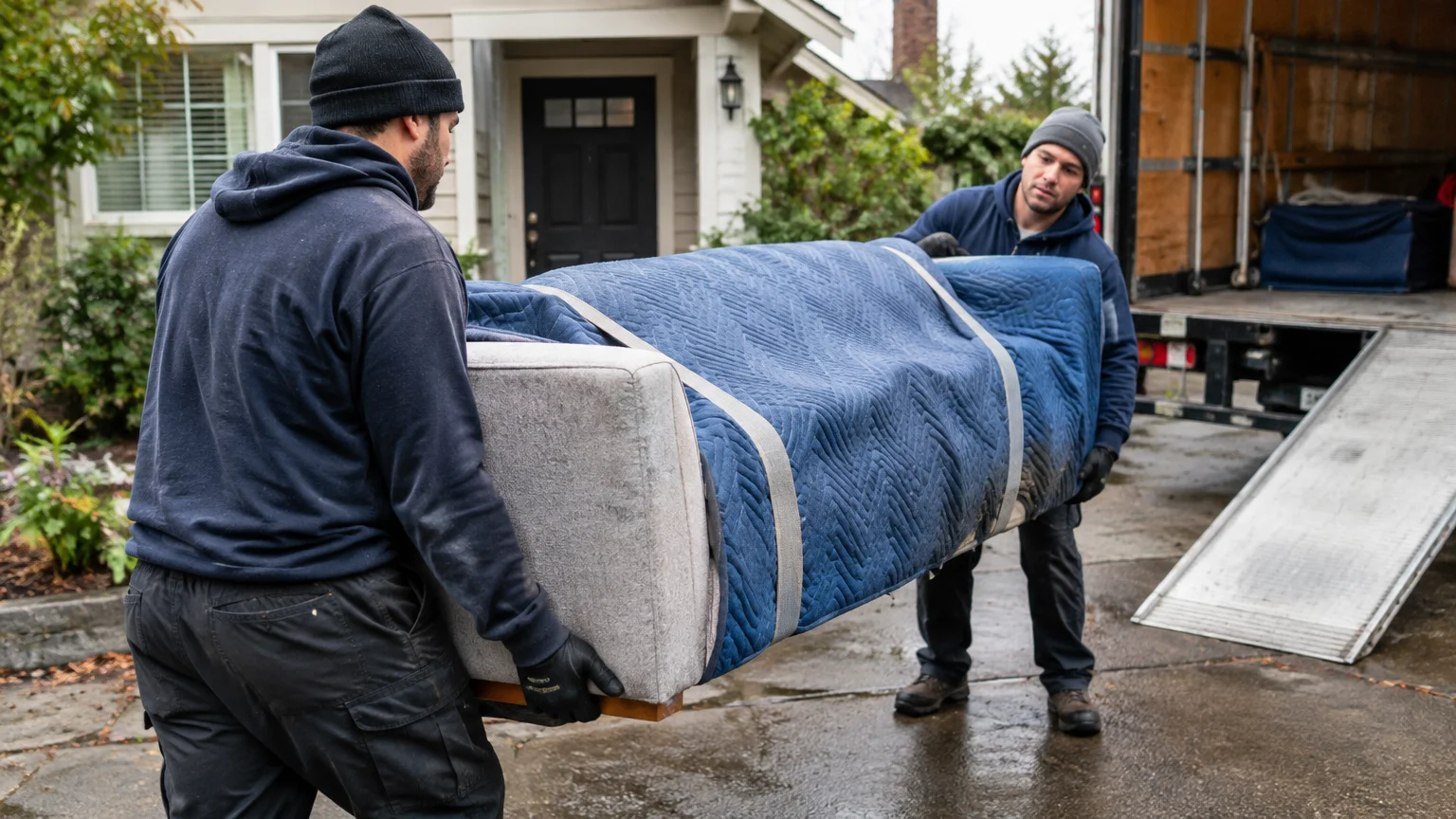
Crews may use moving blankets, straps, dollies, lifting tools, and floor protection. They may move slowly around corners while one person guides the item. Good planning matters more than speed when walls, rails, and floors are close.
The crew may check door width, ceiling height, stair turns, and landing space. A large sectional may need to be split into sections. A dresser may need its drawers removed to lower its weight.
When furniture needs to be disassembled
Disassembly helps when an item cannot pass safely through a doorway or stair turn. Bed frames, tables, desks, shelving units, and some couches may come apart. Built-in cabinets and wall units may need another professional because removal can affect wiring, plumbing, drywall, or flooring.
Do not cut, break, or force furniture through a space. This can harm the property and create sharp edges. The removal company can explain whether it handles basic disassembly or whether another contractor is needed.
What happens to furniture after it is removed?
After removal, furniture may be sorted for donation, reuse, recycling, material recovery, or disposal. The result depends on its condition, local facilities, company practices, and material type. A clean table may have a different outcome from a broken upholstered chair.
Ask about the sorting process before booking. Responsible removal means more than taking an item away. It also means using proper disposal channels and avoiding illegal dumping.
How reusable items may be sorted
Reusable furniture may be separated from damaged items at the property or at a sorting site. Good pieces may go to a donation partner, resale outlet, reuse center, or community program. Acceptance depends on the group’s needs and available space.
Tell the company if donation handling matters to you. Not every item can be accepted. A company should not promise donation for furniture that is unsafe, dirty, infested, or badly damaged.
How damaged furniture is handled responsibly
Damaged furniture may be broken down so wood, metal, foam, and other parts can be handled separately. Some materials may be recovered. Others may need an approved disposal facility. Local rules can affect mattresses, upholstered pieces, treated wood, and large items.
Mention furniture exposed to pests, water damage, chemicals, or sewage. Such pieces may need special instructions. Keep contaminated furniture away from people and pets until the company explains the next step.
Is professional furniture removal safer than moving it yourself?
Professional furniture removal is often safer for heavy, awkward, oversized, or hard-to-reach items. Homeowners can handle simple checks, cleaning, and light sorting themselves. Avoid moving large furniture alone, especially on stairs or slippery floors.
Furniture can cause back strain, crushed fingers, falls, wall damage, floor scratches, and broken doors. These risks rise when an item has hidden weight, loose parts, glass, or an uneven shape. A trained crew can plan the route and use tools for bulky items.
Common lifting and property risks
A couch may catch on a doorway. A tall dresser may tip when turned. A mattress can block your view, and a glass table can break under pressure. Tight spaces leave little room to fix a mistake.
Do not lift beyond your ability or ask children to help with heavy furniture. Avoid tying large items to a personal vehicle without proper equipment. If a piece is unstable, damaged, or unusually heavy, professional help is safer.
Why proper equipment and planning matter
Removal crews may use dollies, straps, ramps, blankets, gloves, and other tools. Equipment does not prevent every problem. It helps when used with a clear plan. The crew can choose a route, protect surfaces, and decide if disassembly is needed.
You do not need a professional for every task. Wiping furniture, removing personal items, measuring a doorway, and clearing a path are usually safe DIY steps. Heavy lifting, awkward stair work, and dangerous damage are better left to trained workers.
How long does furniture removal take?
A single furniture pickup may take less time than a multi-room cleanout. The exact time depends on access, item size, crew needs, and disposal planning. Clear paths and accurate details can help the visit run smoothly. Stairs, long carries, and disassembly can add work.
Allow enough time for safe loading instead of asking the crew to rush. Careful removal protects the home and furniture that remains. The company can give a better time estimate after learning what needs to be removed.
What determines the length of a pickup
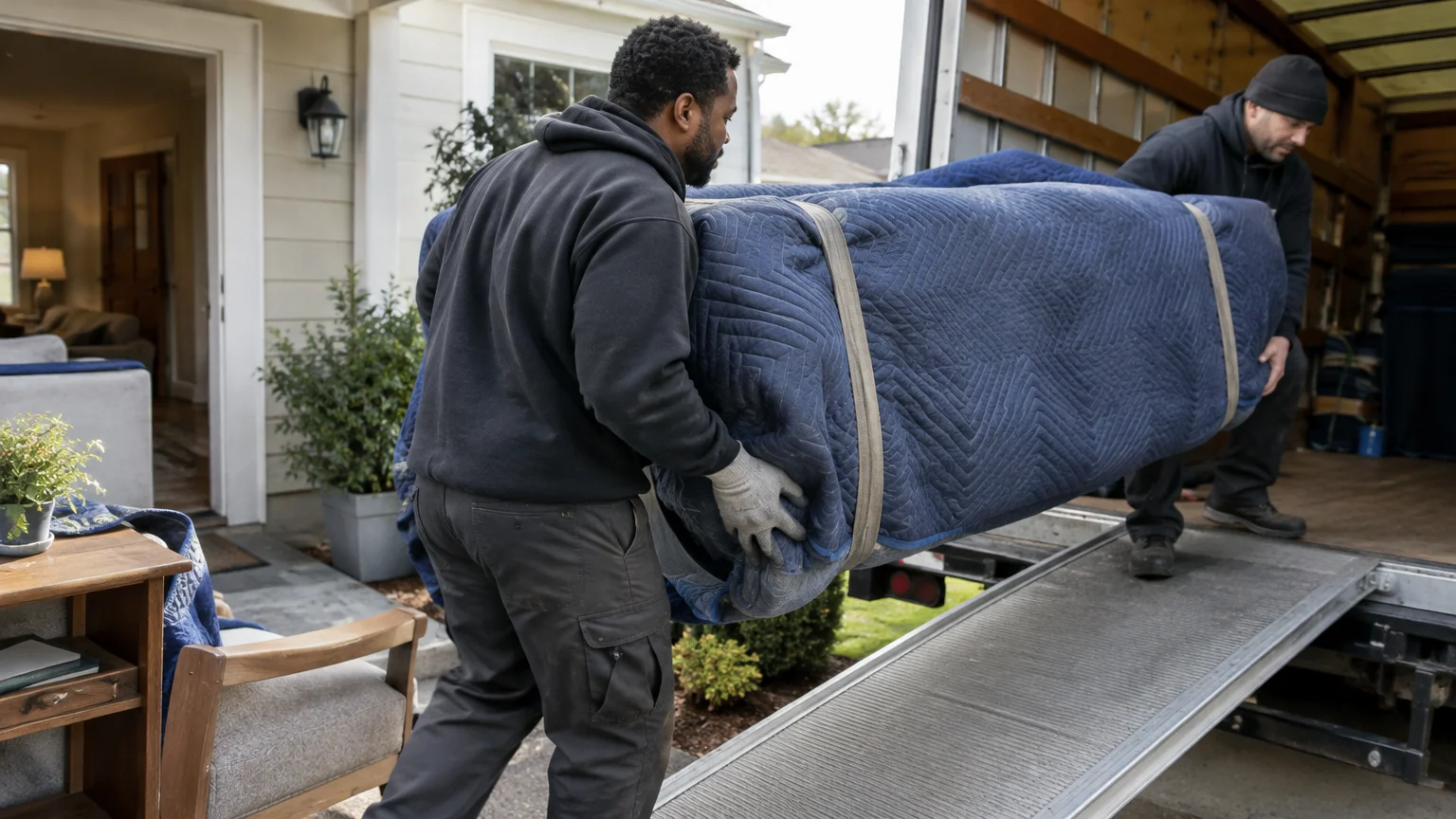
The main factors are the number of items, their weight, their location, and the distance to the truck. A curbside chair may load quickly. A sectional from a basement may need more steps, people, and care.
The crew may also need to sort items or separate materials. Far parking, building rules, elevator waits, and locked access points can add time. Share these details when arranging service.
How larger cleanouts differ from single-item removal
A single-item pickup focuses on one piece and one route. A home cleanout may include furniture, boxes, appliances, yard items, and household junk. The company may work room by room and keep donation items apart from disposal items.
Garage, attic, and basement removal in one visit may be possible with the right crew and truck space. List every area and major item before booking. This helps prevent an incomplete visit or another appointment.
How can homeowners choose the right furniture removal company?
Choose a company that explains its process, accepted items, access needs, donation options, and final quote. A local service should understand homes, roads, disposal sites, and building types in the area. Reviews can help, but direct questions matter too.
San Mateo CA Junk Removal helps homeowners and property owners with bulky household items and nearby communities. The service area includes places around San Mateo, such as Hillsdale, San Mateo Park, Burlingame, Foster City, Belmont, and San Carlos. Clear details before pickup help both sides understand the work.
Questions to ask before booking a pickup
Ask these questions:
- Does the company accept the furniture on my list?
- Can the crew remove items from stairs, basements, or upper floors?
- Does the company sort suitable items for donation or reuse?
- Are appliances or mattresses handled apart from furniture?
- What access details should I share?
- When is the final cost confirmed on a quote?
- What happens to furniture that cannot be donated?
A trustworthy company should answer clearly and avoid vague promises. It should explain limits before the crew arrives. Be careful when a service cannot describe its disposal process or access needs.
What to look for in a responsible local service
Look for clear communication, safe work habits, proper equipment, and a plan for reuse or disposal. The company should protect the property and treat workers, residents, and donated items with care. It should also follow local rules for household waste.
The right choice depends on the job. One company may focus on single-item pickups. Another may handle full-service household junk removal. Homeowners in San Mateo can compare service scope, scheduling, and the written quote before choosing a provider.
Frequently Asked Questions
How can someone get rid of old furniture?
A homeowner can donate clean, safe furniture, sell it, give it away, use a local collection program, or hire a removal company. The best choice depends on the item’s condition, size, and location. Furniture with pests, major damage, or contamination should not be donated without approval.
How should someone dispose of a refrigerator?
A refrigerator may need special handling because it has electrical parts and refrigerant. Do not cut lines, remove refrigerant, or leave the appliance beside a road without checking local rules. A qualified disposal provider can explain whether it accepts refrigerators and how the unit will be handled.
Can a removal company take furniture from a garage, attic, and basement?
Many full-service companies can clear several areas in one visit. Confirm this before booking. The company needs the item list, access details, stairs, parking information, and safety concerns. Large cleanouts may need more planning than one furniture pickup.
How can someone dispose of concrete chunks from old furniture work?
Keep concrete chunks apart from ordinary household junk. They are heavy and may need a truck, equipment, and a site that accepts masonry or construction debris. Describe the amount and size before pickup. Do not place concrete in bags or lift it alone.
Is hiring a local furniture removal company better than moving furniture alone?
Professional help may be safer for heavy, bulky, upstairs, or awkward furniture. A homeowner can often handle light cleaning and sorting without help. When lifting could cause injury or property damage, a trained crew with proper equipment is usually the better choice.
Key takeaways
- Furniture removal costs depend on size, amount, access, labor, and disposal needs.
- Clean, safe furniture may qualify for donation or reuse.
- Homeowners should clear paths and remove personal items before pickup.
- Heavy, awkward, upstairs, and damaged furniture can create lifting risks.
- A responsible local company explains accepted items, scheduling, safety, and disposal.
Conclusion
Furniture removal is easier when homeowners know what a crew can take and how items may be handled. Simple cleaning and sorting can be done at home. Heavy lifting and hard removal are safer for trained workers. Clear details help keep pickup safe and organized.
Contact us to arrange furniture removal with San Mateo CA Junk Removal.