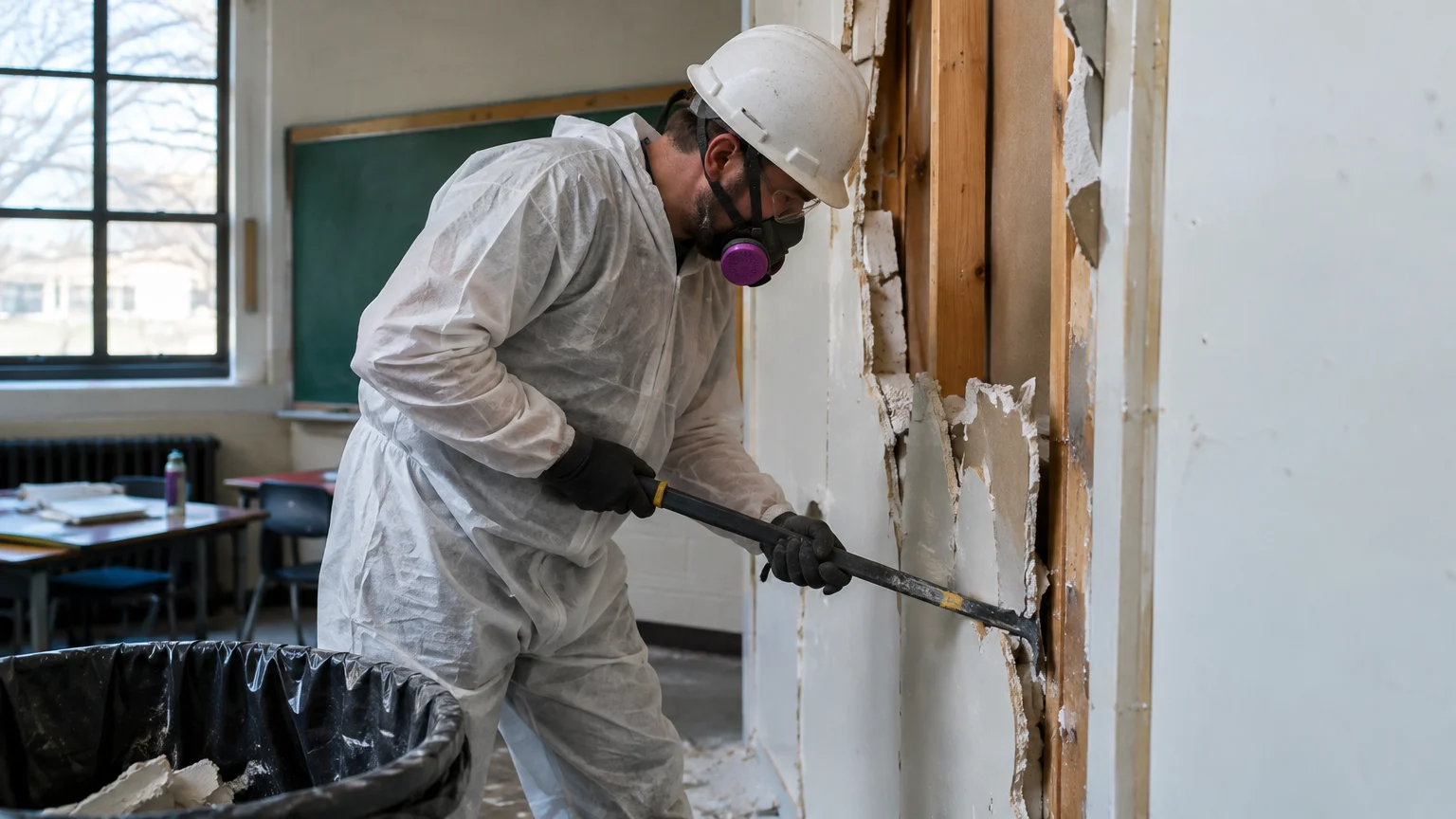
A professional drywall removal service can help when tear-out creates heavy debris, spreading dust, safety risks, or project delays. In San Mateo, trained crews can remove drywall, plaster, and related waste from homes and businesses. They can also load it safely and leave the area ready for the next repair or remodel.
Drywall removal may seem simple at first. A few cuts and pulls can soon create piles of broken board, screws, paper, dust, and insulation. Homeowners, contractors, and property managers often find that moving the waste is harder than taking the drywall down.
San Mateo CA Junk Removal helps local property owners see when a project needs more help. The signs below can help you choose between safe do-it-yourself work and a trained removal crew.
Table of Contents
- Is the drywall tear-out creating more debris than you can handle?
- Are dust and debris spreading beyond the work area?
- Is the drywall removal taking longer than expected?
- Do you lack the right equipment for safe drywall removal?
- Could the old drywall contain hazardous materials?
- Is there more renovation debris than drywall alone?
- How do you know when professional drywall removal is the better choice?
- Key Takeaways
- Frequently Asked Questions
- Conclusion
Is the drywall tear-out creating more debris than you can handle?
A project may need outside help when drywall fills rooms, blocks walkways, or will not fit in normal trash service. Broken sheets take up more room than many people expect. Even careful tear-out can create a large pile that must be carried, loaded, and removed.
How much drywall waste can a typical renovation produce?
The amount depends on the number of rooms, wall height, ceiling size, and removal method. One wall may create a manageable pile for a homeowner. A whole-home remodel, office update, or rental cleanout can create much more waste than one person can move safely.
Drywall breaks into awkward pieces. Large sections can be hard to carry through doors and down stairs. Small pieces have sharp edges and loose dust. The pile may also include joint compound, metal corner bead, screws, wood strips, and insulation. These items make cleanup harder than putting normal household items at the curb.
Look at the planned work area before starting. If debris will cover a room, block access, or compete with tools and new supplies, plan removal early. Contractors should also think about how waste will affect workers who need to cross the site.
Why separating drywall from other construction debris matters
Drywall should not be mixed with every other material. Clean drywall, wood, metal, concrete, and general trash may have different handling rules. Keeping materials apart can make sorting easier and may help the owner follow local disposal rules.
A professional drywall removal service can help identify waste types before loading starts. The crew can also explain which items need special care. In San Mateo, local rules and facility choices may affect how renovation waste is handled. San Mateo CA Junk Removal can help property owners plan a cleaner removal process.
Are dust and debris spreading beyond the work area?
Spreading dust is a clear sign that drywall removal needs better control. Fine particles can move under doors, through vents, and across nearby surfaces. When a home or business stays open, the mess can disrupt work and create more cleaning.
How drywall dust affects occupied homes and businesses
Drywall dust can settle on floors, shelves, furniture, equipment, and electronics. It may reach rooms far from the tear-out area. In a business, dust can affect customers, staff, stock, and sensitive equipment. In a home, it can make bedrooms, kitchens, and shared rooms hard to use.
Dust is not the only concern. Loose pieces can create trip hazards. Nails, screws, and metal edges may remain in the pile. Broken panels can also scratch floors or damage door frames during carrying.
Homeowners can handle small, separate repairs with basic protection and careful cleanup. Close nearby doors, protect surfaces, and wear eye protection. Keep dust away from heating and cooling vents. A larger tear-out needs a stronger plan, especially when people cannot leave the building.
What professional containment and cleanup involve
Containment means keeping dust and debris inside the work zone. A crew may use floor covers, set carrying paths, careful lifting, and repeated cleanup. The plan depends on the property, work area, and waste type.
Removal crews also plan the route from the wall to the truck. They can break large pieces in a controlled spot and keep walkways clear. This helps limit dust and reduces the chance of damage inside the building.
A professional team does not replace required testing or licensed hazardous-material work. It can help with ordinary construction debris removal after the material is confirmed safe. This difference matters in older homes and commercial buildings.
Is the drywall removal taking longer than expected?
Drywall tear-out often takes longer when walls have many layers, hidden fasteners, strong glue, or insulation. Delays also happen when the waste has nowhere to go. If removal is holding up electricians, plumbers, painters, or installers, hauling help may keep the project moving.
Common reasons drywall tear-out projects fall behind
Old drywall may have more screws than expected. Plaster may sit behind it. Some walls have wood lath, wire mesh, insulation, or several finish layers. Ceilings can take longer because workers must reach overhead and control falling pieces.
Access can cause another delay. Narrow halls, stairs, elevators, gates, and occupied rooms change how debris leaves the property. Crews may also work around appliances, furniture, stored items, or active business areas.
Waste handling is often the hidden cause of delay. Someone must gather broken pieces, remove sharp fasteners, load the material, and keep the site safe. When workers stop their main trade to handle debris, the schedule can slip.
How trained removal crews help keep renovations moving
A trained crew can review the work area, identify the waste, and plan the carrying route. The crew can then focus on safe removal and loading while the contractor handles other work. This may help during kitchen updates, bathroom remodels, office renovations, and property cleanouts.
Contractors should share site details before the visit. These include the building type, floor level, access limits, material type, and other waste. Clear details help the crew prepare for the real job.
The goal is not to rush demolition. The goal is to keep debris from stopping the next trade. A planned work site stays easier to walk through and inspect.
Do you lack the right equipment for safe drywall removal?
A homeowner may manage a small drywall repair with simple hand tools. Larger tear-outs often need more protection, carrying space, and a suitable vehicle. If the owner lacks these items, a professional drywall removal service may be safer.
Tools and vehicles often needed for hauling drywall
Drywall removal may need utility knives, pry bars, hammers, screw guns, dust controls, gloves, eye protection, and strong containers. The right tools depend on how the material is attached. Removing panels without checking behind them can damage wires, pipes, or other building systems.
Hauling needs more than a few bags. Large pieces may need to be broken down, stacked, and secured. A suitable vehicle must have enough room and must keep waste contained during travel.
The owner should not use a vehicle that cannot safely carry construction waste. Overloaded or loose debris can cause road problems. Local facilities may also have rules for drywall and mixed renovation materials.
Why lifting and loading large debris can create hazards
Drywall panels are awkward, even when they are not very heavy. They can block a person’s view, catch on doorways, and shift while being carried. Broken pieces may have sharp edges, screws, or metal trim.
Stairs and uneven ground add more risk. A person may slip, twist a knee, or drop the load. Repeated lifting can strain the back and shoulders. These risks grow when the area is dusty or poorly lit.
A homeowner can clean small amounts by working slowly and keeping the path clear. A larger job needs more care. A removal crew can bring protective gear, a loading plan, enough workers, and hauling space.
Could the old drywall contain hazardous materials?
Older walls and ceilings need extra care when their age, condition, or past use is unclear. Drywall may connect to other materials that need testing before disturbance. Stop work if suspicious material appears and seek help from a qualified professional.
When older walls and ceilings need extra caution
Age alone does not prove that a material is hazardous. Older buildings may contain asbestos, lead-based coatings, or other materials that need special handling. Risks may come from joint compound, textured finishes, insulation, flooring, pipe coverings, or layers behind the drywall.
Visible damage can also raise concern. Crumbling material, odd insulation, powdery coatings, or unknown ceiling textures should not be treated as normal debris. Cutting into a wall without knowing what is inside can spread material through the building.
The U.S. Environmental Protection Agency’s asbestos renovation guidance explains why asbestos materials need careful management. Local rules may also apply to commercial properties and larger renovation work.
What to do before disturbing suspicious materials
Stop tear-out when material looks unusual or its history is unknown. Keep people away from the area. Do not sweep, vacuum, scrape, or break it until a qualified inspector or licensed specialist gives clear direction.
Testing may be needed before ordinary debris removal starts. A junk removal company should not handle confirmed hazardous material unless it is licensed and equipped for that work. The owner should ask who handles testing, removal, packing, and disposal.
Once the material is cleared for normal handling, a professional drywall removal service can manage the remaining construction debris. This order protects workers, residents, customers, and nearby property.
Is there more renovation debris than drywall alone?
Many tear-outs create a mixed pile with plaster, wood, insulation, concrete, tile, cabinets, and metal. When drywall is only one part of the waste, a wider construction debris plan may work better than a drywall-only pickup.
Handling plaster, wood, insulation, and concrete together
Plaster is heavier than standard drywall. Wood may include framing scraps, trim, cabinets, or damaged flooring. Insulation is bulky and messy. Concrete, brick, and tile add weight and may need separate handling.
A mixed pile can hide sharp objects and make sorting harder. It can also slow loading because each material may need a different method. Keep waste organized when possible, even if a crew will do the final sorting.
Useful groups may include:
- Clean drywall and plaster pieces
- Untreated wood and trim
- Metal framing, fasteners, and corner bead
- Insulation and soft building materials
- Concrete, brick, tile, and other masonry
- General trash and damaged household items
This list is only a planning guide. Local facilities may set their own rules. A removal provider can explain what it accepts and which items need another service.
How mixed construction debris affects sorting and disposal
Construction waste is easier to manage when the crew knows what is present before arrival. Photos, a clear description, and notes about stairs or narrow access can help set expectations. Remove personal items from the work path before the crew arrives.
Contractors may schedule debris removal between major work phases. This keeps old material from getting buried under new supplies. It also gives the team a cleaner place to inspect walls, floors, and framing.
The main San Mateo area, from Hillsdale and San Mateo Park to Burlingame, Foster City, Belmont, San Carlos, and nearby communities, includes many property types. Homes, stores, offices, and rental properties may all have different disposal needs. The goal remains the same: remove waste safely and keep the next step ready.
How do you know when professional drywall removal is the better choice?
Professional help is often best when the job is large, access is hard, dust is spreading, or the waste has several materials. A homeowner does not need a professional for every small patch or light cleanup. The choice depends on risk, volume, time, and property condition.
What factors influence the scope of removal?
The scope means the amount and type of work needed. It may include rooms, wall and ceiling surfaces, material layers, debris volume, access, and cleanup. It may also include whether the property stays occupied.
A small bedroom wall with clear access differs from a full commercial tear-out. A ground-floor project differs from one requiring long stair carries. Drywall mixed with concrete or insulation needs a different plan from clean, separate panels.
The service plan should be confirmed after the provider understands the actual job. Ask about accepted materials, arrival access, preparation, and suspicious materials. Also ask what a licensed specialist must complete first.
How to prepare the property before the removal team arrives
Preparation can make the visit safer and smoother. Remove personal items from the work route. Unlock gates or arrange building access. Tell the crew about stairs, elevators, parking limits, fragile floors, occupied rooms, and items that must stay.
Separate items that are not part of the removal. Mark fixtures, tools, appliances, and supplies that should remain. Contractors should point out active utilities and areas where workers must not cut or place debris.
A simple preparation checklist includes:
- Clear the path from the work area to the loading point
- Protect or mark items that will remain
- Share access limits before the scheduled visit
- Separate hazardous or unknown materials from normal waste
- Group drywall with other debris when safe and practical
- Confirm which materials the removal crew accepts
San Mateo CA Junk Removal can help San Mateo homeowners, contractors, and property managers decide whether a job fits normal debris hauling or needs another specialist first. For projects in San Mateo, clear planning can reduce delays and keep the property easier to use.
Key Takeaways
- Large drywall piles can block rooms, walkways, and work areas.
- Spreading dust may mean the project needs better control and cleanup.
- Stairs, narrow access, awkward panels, and repeated lifting create risks.
- Unknown materials should be tested before normal tear-out continues.
- Mixed waste may include plaster, wood, insulation, concrete, metal, and trash.
Frequently Asked Questions
Can a homeowner remove a small amount of drywall alone?
Yes. A homeowner may handle a small, known-safe repair with gloves, eye protection, careful cutting, and controlled cleanup. Keep the work area clear and manage the waste safely. Larger tear-outs, ceiling work, heavy piles, hard access, or unknown materials are better for trained professionals.
What happens to old drywall after it is removed?
Old drywall may be sorted, hauled, or taken to a facility that accepts construction debris. The right option depends on local rules, material condition, and other waste in the pile. A removal provider can explain accepted materials and the next step for the project.
How should someone dispose of a refrigerator or other appliance during renovation?
Do not mix appliances into a drywall pile without checking the provider’s accepted-item list. Refrigerators and other appliances may have parts needing special handling. Keep them accessible, describe them before pickup, and follow local disposal guidance.
Can drywall removal include plaster, wood, and insulation?
Many construction debris crews can handle common renovation materials, but acceptance varies. Plaster, wood, insulation, concrete, and drywall may need different sorting or disposal methods. List every material before the visit so the crew can confirm the plan.
When should a property owner call a professional drywall removal service?
Consider professional help when debris is too large to move safely, dust reaches occupied areas, the project delays other work, or the property lacks a suitable hauling option. Help is also important when access is difficult or material safety is uncertain.
Conclusion
Drywall tear-out becomes harder when waste grows, dust spreads, access narrows, or other materials join the pile. Small, known-safe repairs may be manageable for a careful homeowner. Larger projects need planning, safe lifting, suitable hauling, and clear handling rules.
San Mateo CA Junk Removal helps property owners and project teams manage drywall and renovation debris. Contact us today to discuss the removal needs for your project.